

Many educators and policymakers have long recognized the need to transform schools and classrooms to better support students’ academic, social, and emotional needs. The increased stress, mental health challenges, disconnection and disengagement, and inequities observed during the pandemic have reaffirmed the need to create safe, welcoming learning environments for students and educators alike. A whole-child approach, which prioritizes the full scope of a child’s developmental needs—academic, social, emotional, cognitive, physical, and psychological—is an important step toward this end. This approach can improve student and school outcomes. When it becomes part and parcel of educator preparation, it can also overcome major hurdles such as the teacher shortages nearly every state is facing.
Teacher Preparation for Whole-Child Design
Also In this Issue

Five Trends Shaping the Teaching Force
By Richard M. Ingersoll, Elizabeth Merrill, Daniel Stuckey, Gregory Collins, and Brandon HarrisonState policymakers looking to increase recruitment and retention should keep an eye on these long-term trends.

The Uneven Landscape of Teacher Preparation
By Leslie T. FenwickState statutes impede students' equitable access to profession-ready teachers.

A Data-Driven Approach to Staffing Schools
By Hannah Putman and Heather PeskeLowering teacher standards may fail to solve actual pipeline problems and can create new ones.

Licensure Tests as Barriers to the Profession
By Victoria Van CleefStates should explore better means of assessing teachers' classroom readiness.

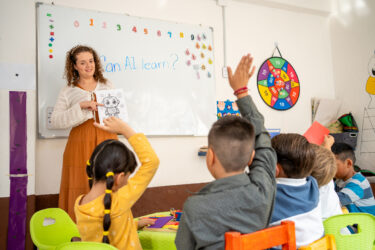
Teacher Preparation for Whole-Child Design
By Jennifer DePaoli and Ryan SaundersState leaders have a role in ensuring that educator preparation both models and reflects the science of learning and development.

Teacher Recruitment and Retention in Missouri
By Paul KatnikState leaders commit to efforts to attract and keep teachers in the classroom.

Ensuring Equity in Grow-Your-Own Programs
By Conra D. GistState-level criteria for programs' design can yield better outcomes in preparing and retaining diverse teachers.

Creating State Education Systems That Value Student Cultures
By William Rodick and Tanji Reed MarshallState boards can set the stage for learning environments that connect and engage all students.

Preparing Pre-K Teachers: Policy Considerations and Strategies
By Amaya Garcia and Cara SklarFour practices to increase the pool of skilled early educators stand out as promising.
 i
i
 i
i
 i
i