

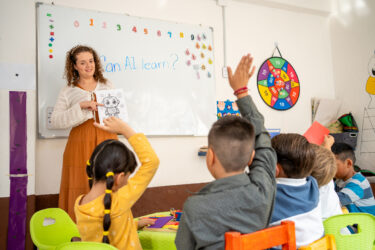
Children’s environments, experiences, and relationships drive how they learn and develop. Because the brain’s developing structures and the expression of genetic endowment are sensitive to context, children exposed to stress and adversity can face tremendous obstacles in school, work, and life. But because the brain is malleable and context sensitive, educators can transform students’ lives by designing learning environments that nurture their skills and talent, buffer against and alleviate stress and trauma, and unleash potential.
What Learning and Developmental Science Says about Optimal Learning Environments
Related Content
Also In this Issue

Why School Climate Matters and What Can Be Done to Improve It
By Linda Darling-Hammond and Jennifer DePaoliEducators’ abilities to forge strong relationships with students lie at the heart of strong schools.

School Climate and Measurement
By David Osher, Sam Neiman, and Sandra WilliamsonAll schools should be using climate data, which can be used statewide for accountability, too.

Why School Climate Matters for Teachers and Students
By Matthew Kraft and Grace FalkenTeachers in strong climates get better faster, stay longer, and propel their students to greater heights.

School Discipline Reform Is Still Needed, but Is Discipline Policy Still the Solution?
By Kristen HarperAddressing disparities requires a broader, deeper look at school culture, process, and practice.

Measures of SEL and School Climate in California
By Taylor Allbright and Heather HoughCORE Districts plumb the possibilities of using holistic measures to improve schools.

Creating Equitable School Climates
By Randy Ross, Philip Brown, and Kori Hamilton BiagasHow states and districts are weaving equity into their efforts to improve climate.

Removing Barriers to LGBTQ Student Safety and Achievement
By Aaron RidingsComprehensive protections from bullying and harassment help everyone.

What Learning and Developmental Science Says about Optimal Learning Environments
By Pamela Cantor MD and Nora GompertsWe know what leads children toward healthy development. We just need to build it.
 i
i
 i
i
 i
i